Browse Exhibits (7 total)
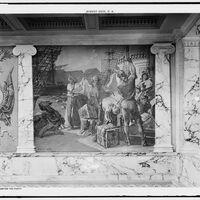
There was an ongoing turmoil and conflict over the extent of authority between the British parliament with British American colonist. The colonist wanted a seated elected represenative. On December 16, 1773 colonist disguised themselves and boarded three ships of the East India Company and distroyed and dumped 342 chests of tea into the Botson Harbor.
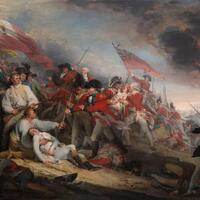
The Artwork portrayed in the exhibit gives the viewer a glance at the American Revolution. The paintings depicted will captivate you whether it be The battle of Bunker's Hill or The Signing of the Declaration of Independence. The American Revolution was an exciting time for the people of the colonies, but also for the artist that interpreted the events that happened. As you see the artwork I want you to interpret them, so you can give them a meaning.
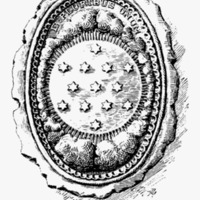
Historically the President of Congress is known as the presiding officer of the Continental Congress. During the American Revolutionary war, this body was comprised of delegates from the 13 colonies that met in Philadelphia which served as the first government of the United States. Historically the president was a sitting member in congress and was elected by the other delegate’s representing the colonies. Also, the President acted as the moderator during each meeting. However for the most part a ceremonial position.
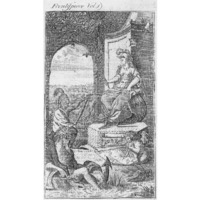
The American Revolution demonstrates a pivotal era in United States history. It was an ongoing struggle for colonial independence that persisted from 1765 to 1783. Yet, its occurrence is typically observed through the adoption and signing of the Declaration of Independence in 1776. In this exhibit, we explore a brief overview of the road to the revolution through political cartoons that portray Native American figures. Beginning with the Coercive Acts of 1774 and ending at the Treaty of Paris in 1783, we observe how Native American figures often represented “America,” as a country. The exhibit is divided into "pre" and "post" Declaration of Independence, demonstrating how Native figures were illustrated both before and after the signing of the Declaration. Illustrations follow a chronological order.
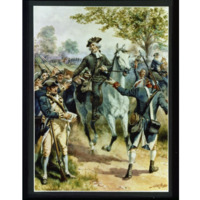
This exhibit will detail the connections that exist between religion, the Revolution, and the governing works of the New United States.
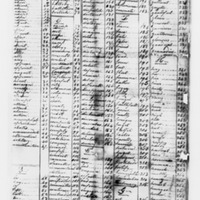
Spies were a valuable asset during the Revolutionary War. The difference between enemy and ally was not clear within the colonies, and many Loyalists had kept a low profile in the years before the conflict broke out, putting them in the perfect position to spy on their neighbors for the British army without being detected. Confidence in British victory emboldened many spies at the beginning of the conflict, although as the war went on the risks of treason became more apparent to the colonists. Although the technologies available to spies during the Revolutionary War cannot compare to those utilized by intelligence agencies today, they were still able to use the fruits of the Scientific Revolution to accomplish their goal of concealing information. However, those who were caught betraying the burgeoning Republic faced dire consequences. The British were unwilling to negotiate for the safety of captured spies, unwilling to make any concessions to the colonists. Likewise, the rebels were unwilling to show mercy to captured spies, desperate to keep the patriotism alive within the colonies and portray a united font. Through exploring the use of espionage in the American Revolution, the connection between the British and Colonial armies on a cultural level becomes more apparent.