The Consequences of Espionage During the American Revolution
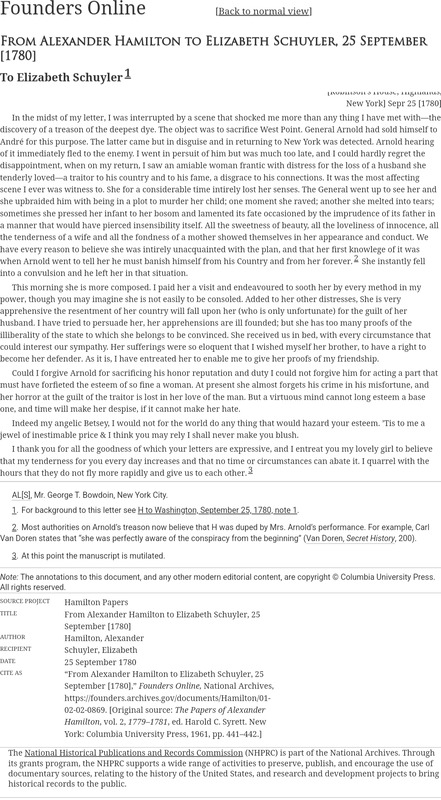
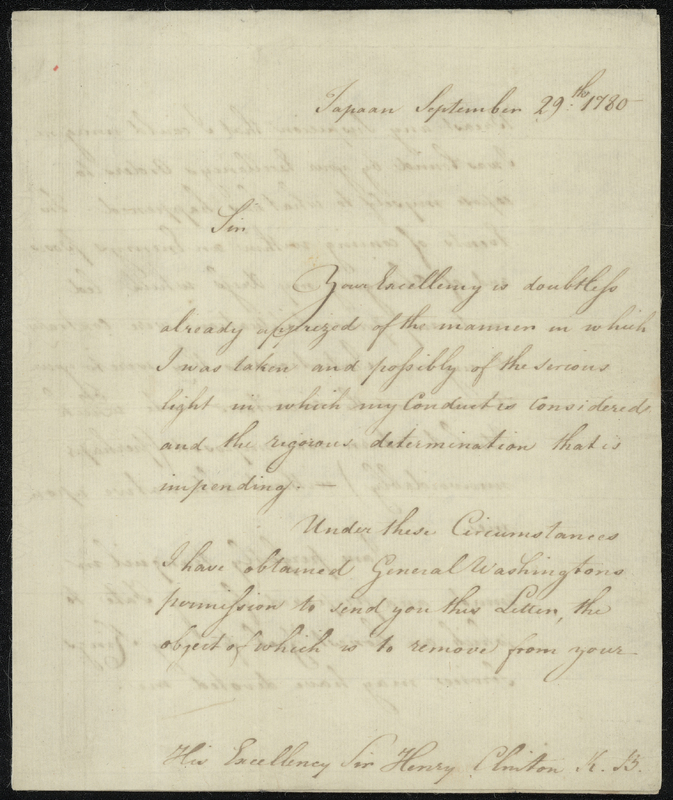
Loyalists who attempted to aid the British army as spies were often promised great rewards, but their treachery came with a high risk as well. Treason was punishable by death and the rebels were not willing to show leniency, even to those that were respected by the general public. Spies that were caught were made an example of without exception.John André, who showed grace and valor even in the face of certain death, won sympathy with the colonial forces even though he was a spy for the British. Since this was a conflict between people with an interconnected histories, it was difficult to fully dehumanize and distance from the enemy. However, this still did not allow for him to escape with his life, and he was executed at George Washington’s order after talks with the British about trading prisoners fell through. In addition, family members, like Benedict Arnold’s wife, were often the subjects of social ostracization. If they managed to escape, as Benedict Arnold later did, they did not fare much better among the British. Although the crown looked highly upon those colonists that remained loyal, the general public did not. Thus, even those that managed to escape with their lives often lost their livelihood.